
Could Your Home Pull Drinking Water Out of Thin Air?
SmartWaterBox is built around a simple idea: the air around us holds moisture, and a home system can turn it into drinking water.
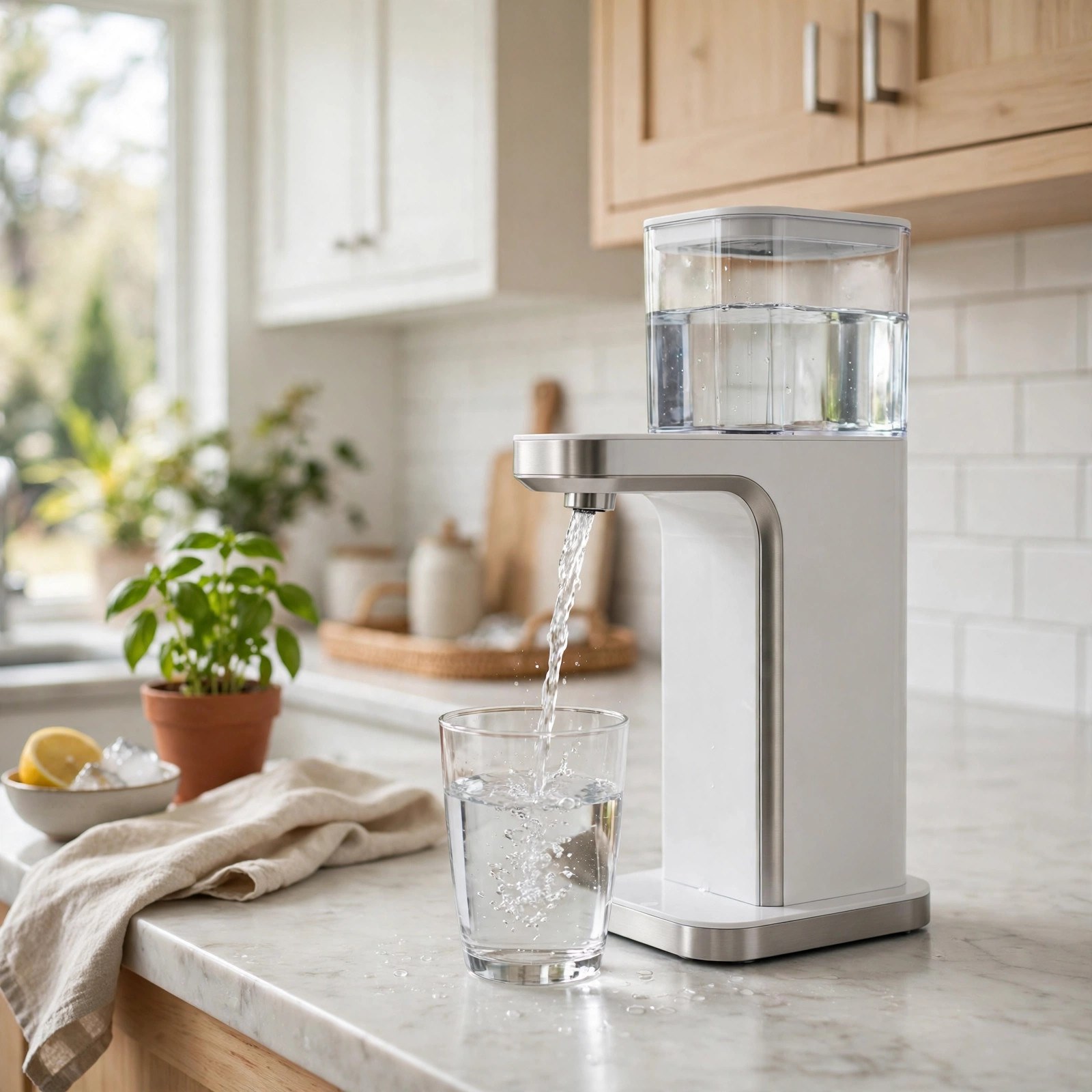
Where does your water come from? One place only
Most homes have exactly one source of drinking water: the tap. When it runs clean, nobody thinks twice about it. But a boil notice, a broken main, a drought restriction, or even just a household tired of hauling bottled water home from the store exposes how complete that dependence is. We looked into SmartWaterBox because it starts from a different question — not how to store more water, but whether a home can produce some of its own.
The idea: harvest the water already in the air
The air in most homes carries a surprising amount of moisture, and atmospheric water systems are designed to pull that moisture out, condense it, and filter it into drinking water. SmartWaterBox packages that principle into a system intended for home use. It is worth knowing that any air-to-water approach naturally performs differently depending on your local humidity and conditions — drier air means slower production — which is exactly why the details on the product page matter more than any headline number.
What it actually is
SmartWaterBox is a home water system built around that air-to-water concept, presented for households that want a drinking water source under their own roof and their own control. It fits homeowners thinking about backup water, reducing bottled water, or simply liking the idea of producing water where they live. It is not a fit for anyone expecting unlimited water regardless of climate, or for renters who cannot set up equipment at home. Your conditions, honestly assessed, decide whether it makes sense.
What to check on the product page
The product page explains the system in the vendor's own terms: how it works, what you actually receive, what setup involves, and what output the vendor describes for typical conditions. It also carries the current price terms and any guarantee that applies. We would suggest reading that page with your own climate in mind — humidity is the fuel this kind of system runs on — and letting the specifics, rather than the concept alone, make the decision for you.