
An Unusual Little Motor Has Hobbyists Clearing Off Their Workbenches
The Orgone Motor guide walks builders through an unconventional DIY energy device, step by step.
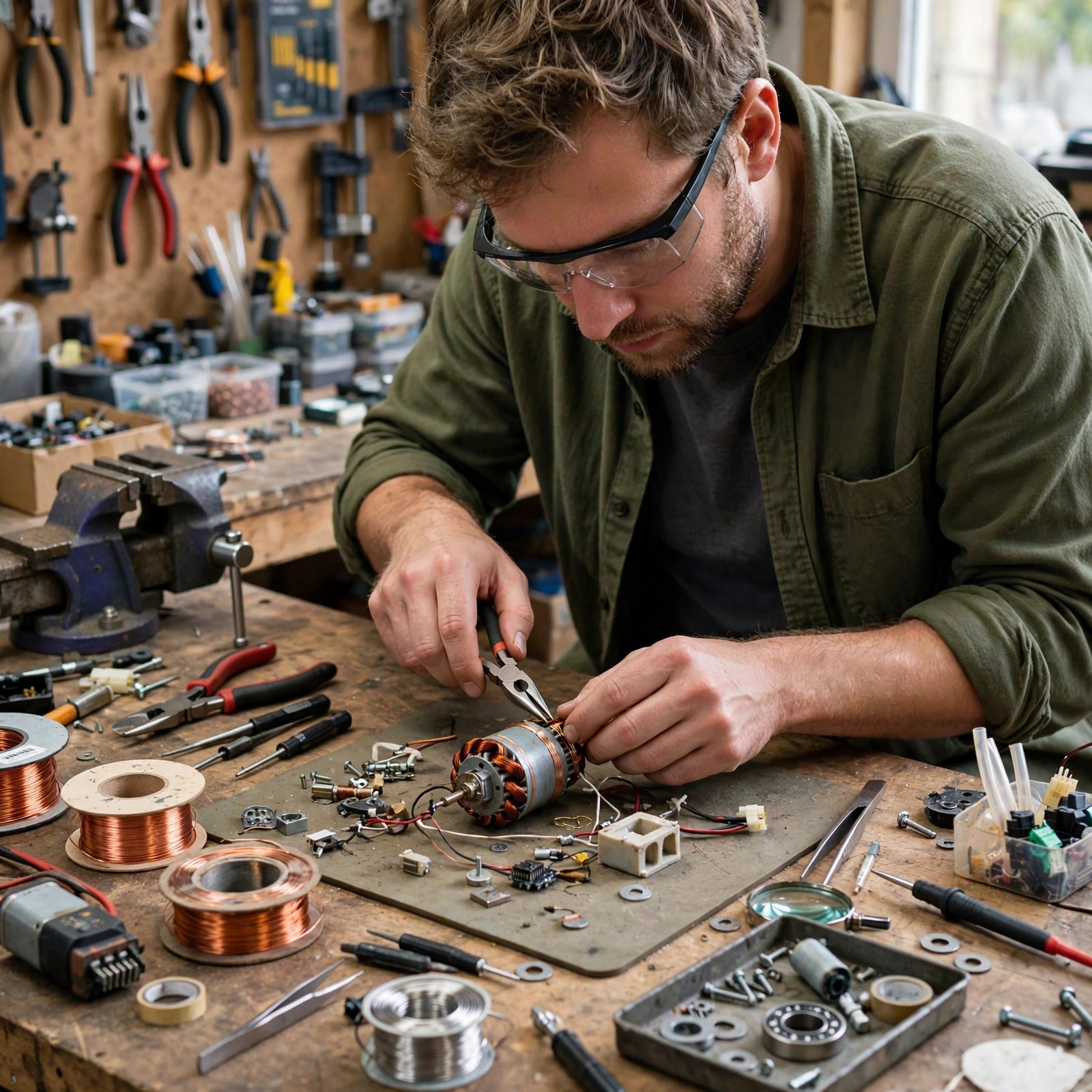
For builders who have already built everything else
There is a certain kind of hobbyist who gets restless. The standard kits are built, the usual engines are understood, and the workbench starts to feel predictable. That restlessness is exactly what keeps unconventional energy devices in circulation — designs from the fringes of alternative-energy communities that promise a genuinely different afternoon in the workshop. We looked into the Orgone Motor because it sits firmly in that tradition: an unusual concept, packaged as a buildable project.
The idea: an experiment you assemble yourself
The Orgone Motor is a DIY device based on the orgone energy concept that has circulated in alternative-energy circles for decades. This guide presents the design as a hands-on build, with the plans laid out for hobbyists to follow and test for themselves. It deserves a straight description: this is an experimental project for the curious, not a verified power technology, and whatever a builder observes will depend on their own build and measurements. The value here is the experiment itself.
What it actually is
What you are buying is a digital guide — plans and instructions delivered online, not a motor shipped in a box. It fits experimenters, alternative-energy enthusiasts, and collectors of odd workshop projects who enjoy testing claims with their own hands. It is not a fit for anyone shopping for practical backup power, anyone expecting a guide to guarantee a working energy source, or anyone who finds fringe concepts more frustrating than fun. Know which kind of builder you are before you start.
What to check on the product page
The product page describes the build in the vendor's own terms: the parts the plans call for, the tools assumed, and what the finished device is presented as doing. It also carries the current terms and any guarantee that applies. Reading it as an experimenter's prospectus — interesting project, open questions — is the right frame, and the details there will tell you whether this particular experiment earns a place on your bench.